
[[{“value”:”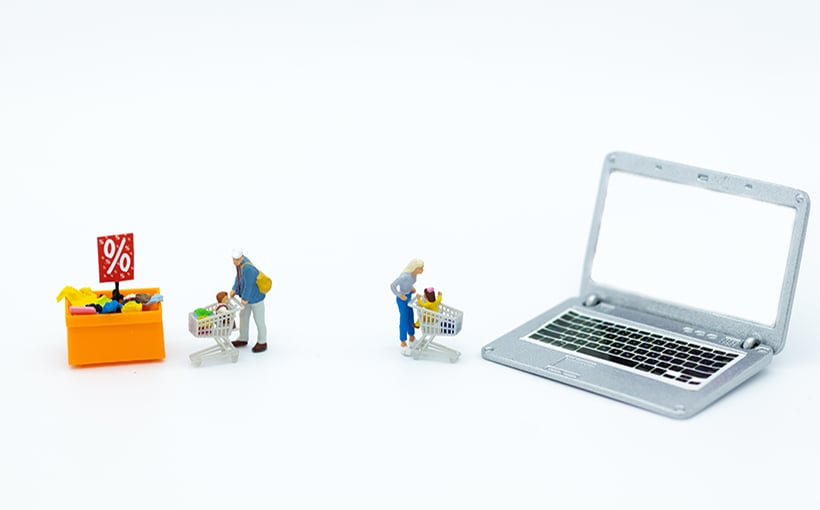
**The Cease-Fire Between Bricks-and-Mortar and E-Commerce**
Not long ago, terms like “retail apocalypse,” “death of physical stores,” and “final curtain” dominated media narratives and conference panels. These warnings reflected a sector struggling with excess retail space, the rapid rise of e-commerce, and the devastating impact of the COVID-19 pandemic.
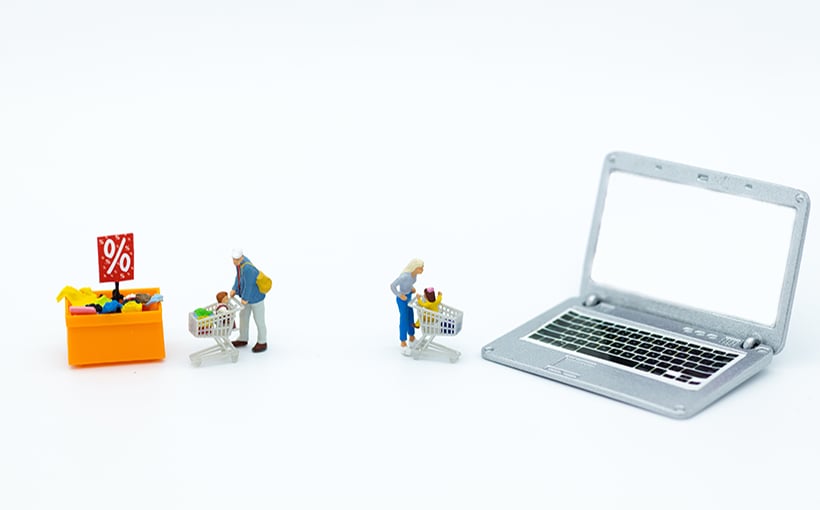
Today, however, the retail industry tells a different story. Experts say the battle between e-commerce and brick-and-mortar is over—as the two now work in tandem. Retail tenants are not just surviving, they’re expanding.
—
### Allies, Not Enemies
Gone are the days of online versus in-store. Retailers are now embracing a model of online and in-store integration.
“Retailers are no longer treating online and bricks-and-mortar as separate strategies,” says J. Wickham Zimmerman, CEO of Outside the Lines, Inc. “They are integrating the two to create a seamless experience.”
Meghann Martindale, Principal and Director of Market Intelligence, Retail at Avison Young, notes that physical stores now serve multiple purposes: they build brand awareness, act as fulfillment centers, and drive customer loyalty and conversions. Meanwhile, online operations continue to contribute with data collection, convenience, and digital engagement.
Stephanie Skrbin, a broker at Axiom Retail Advisors, agrees. “Physical stores have morphed into fulfillment nodes, data engines, and brand-awareness tools,” she says. Skrbin adds that retailers are increasingly investing in technologies like computer vision, real-time analytics, and artificial intelligence to optimize their brick-and-mortar strategies—enhancing store layouts, promotions, and customer journeys.
This evolution is also driving demand for open-air retail centers that offer the social, walkable, and lifestyle-centric environments consumers now prefer.
Darren Pitts, co-founder and Executive Vice President at Velocity Retail Group, emphasizes that big data and AI are key to striking the right balance between physical and digital platforms. “Being good at both physical and online strategies is a requirement to be effective in the retail sector and to serve today’s increasingly demanding and tech-savvy consumer,” he says.
—
### Foundations of Expansion
Throughout the 2010s and into the pandemic era, failed retail concepts and consumer behavior changes raised concerns that surplus space would doom the sector. However, the opposite is happening.
As physical retail proves its resilience, tenant demand continues to rise.
“Tenant expansion continues because physical retail remains strong and consumers value the in-person experience,” notes Stephanie Skrbin.
Pitts points out that supply is lagging behind this demand. “Demand for physical space continues to be stronger than new supply being constructed,” he says. “Increased costs for new development have slowed new construction, pushing vacancy rates to an all-time low.”
Still, this growth is occurring with greater strategic precision. Martindale believes that the days of aggressive, unchecked expansion are over. “I believe the ‘growth at all costs’ era is over, and expansion strategies will be much more disciplined going forward,” she explains.
To overcome limited space availability, tenants are increasingly turning to Plan B options. Pitts says retrofitting existing buildings is one solution, but supply remains tight. Martindale explains that flexibility is key: some retailers are willing to wait out top locations, while others consider secondary streets, smaller formats, or pop-ups as stopgaps to quickly establish market presence.
—
### A Resilient Future
Contrary to past fears, e-commerce hasn’t killed the physical store. In fact, both channels have found new life through integration.
“Retail and restaurant activity, overall, is still strong, as is competition on availabilities in A and B centers,” says Skrbin.
The future of retail is not about choosing a side—it’s about mastering both. Retailers that succeed will be those who seamlessly blend the in-store experience with online convenience, harnessing technology and agility along the way.
“}]]
