
[[{“value”:”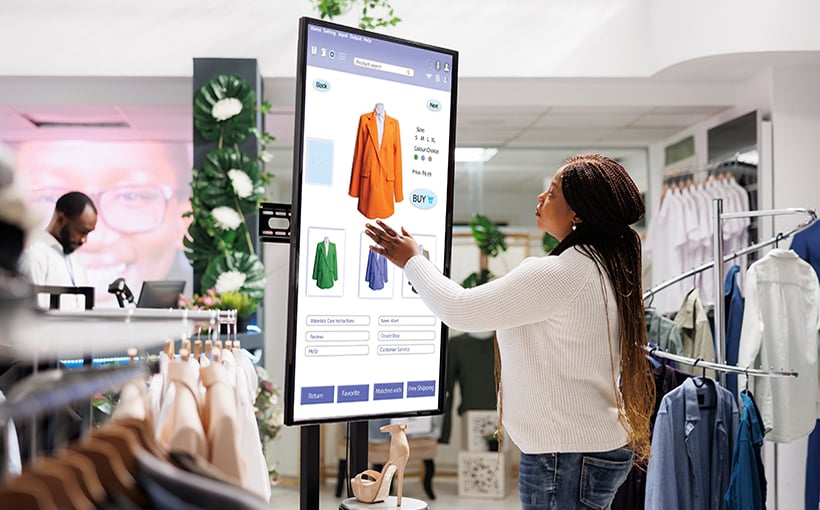
**Retail Industry Leans Into Automation Amid Labor Shortages**
The retail industry continues to face significant challenges—from recovery in the wake of the pandemic to consumer spending uncertainty and growing labor shortages. Businesses, especially restaurants and retailers, are striving to meet elevated customer expectations for speed and convenience while grappling with limited staffing.
According to a recent report by JLL titled “Going Labor Light: Designing a Tech Forward Format,” self-service formats are emerging as a key solution. The report notes that although self-service currently plays a small role in most brands’ operations, its adoption is expected to expand significantly over the next five years as businesses seek to mitigate the impact of labor shortages.
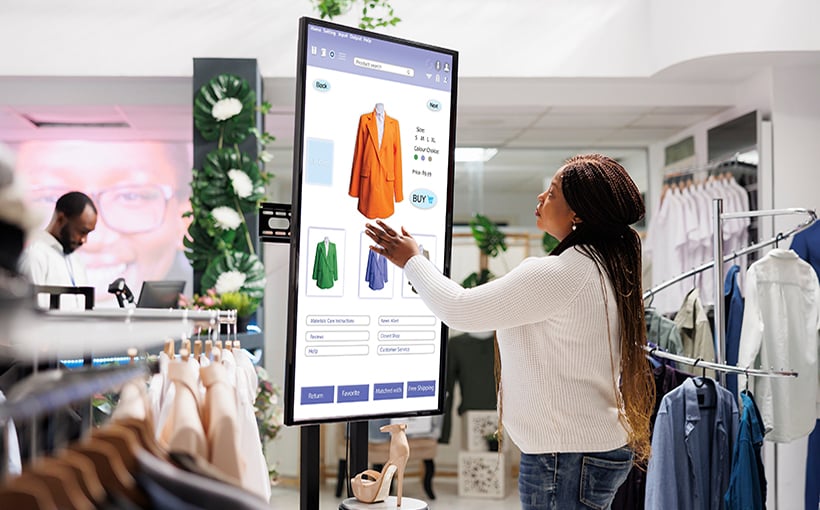
Self-service formats involve the use of digital tools—such as touchscreen kiosks and mobile apps—that allow customers to complete transactions independently, while employees provide support and assistance as needed. This approach enhances efficiency while maintaining a level of customer service.
The JLL report traces the rise of automation technology back to the restaurant industry, where it gained momentum during the COVID-19 pandemic due to increased demand for touchless and online ordering. Meanwhile, retail sectors began integrating robotics and automation within supply chains and warehouses. Today, such technology is increasingly making its way to the front lines of retail, enhancing in-store operations and supplementing leaner workforces.
Notable examples of retail automation include:
– **Target**: Implementation of generative AI through its Store Companion chatbot, designed to assist staff in real-time.
– **BJ’s Wholesale Club**: Deployment of “Tally,” a smart robot that navigates store aisles to collect inventory data.
– **Walmart**: Expansion of a drone-delivery pilot program in the Dallas-Fort Worth area, enhancing last-mile logistics.
Looking ahead, the report predicts brands will continue to invest heavily in automation, robotics, and artificial intelligence. Advancements like quantum computing will further enhance data analysis capabilities, while AI-embedded mobile apps will power more intuitive shopping experiences. Robotics will increasingly take on repetitive and hazardous tasks, allowing human employees to focus on customer engagement and value-added services.
However, the human element remains vital. The report emphasizes that while technology can increase efficiency, brick-and-mortar stores must retain a personal touch. The in-store experience must still differ meaningfully from online shopping to remain relevant and appealing to customers.
In a rapidly evolving retail landscape, the balance between automation and human service is expected to define the next era of consumer experience.
“}]]
