
[[{“value”:”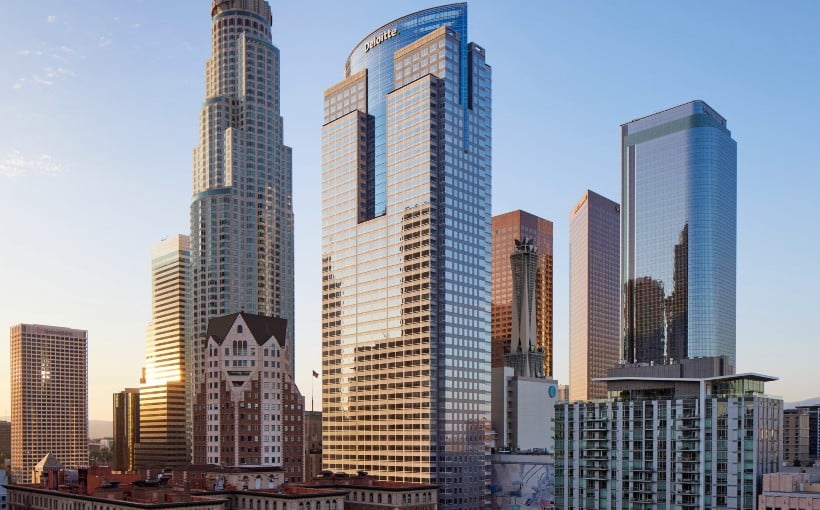
**Office Tenants Eye Building Ownership Amid Market Shifts**
In response to declining property values, tighter credit conditions, and broader economic uncertainty, a growing number of office tenants in the U.S. are making the shift from leasing to owning their office spaces. According to a recent report from the Urban Land Institute (ULI), owner-occupier transactions are surging as tenants capitalize on favorable pricing and long-term financial benefits.
Citing data from JLL, ULI noted that owner-occupier acquisitions made up 20% of total U.S. office sales in the first quarter of 2025—up from 15% for all of 2024. By comparison, such deals accounted for 8% or less of office sales before the pandemic. JLL also reported a 76% year-over-year increase in bid activity from tenants during 2024.
“With this year’s owner-occupier transaction volume already above 2024’s total, user acquisitions are expected to remain a major force in the office market through 2025,” said Mike McDonald, Senior Managing Director at JLL.
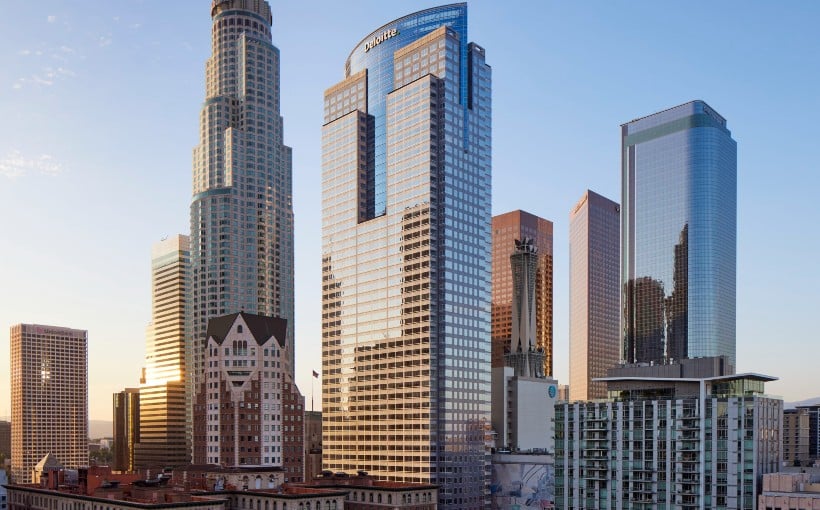
A prominent example of this trend is Los Angeles County’s recent purchase of the Gas Company Tower in downtown L.A. Previously leasing multiple aging office buildings that required costly seismic retrofits, the county opted to buy the modern high-rise instead. The property became available after a Brookfield-managed fund declined to extend a $784 million loan secured by the tower and another office building. Following receivership in 2023 and an auction in 2024, the county purchased the tower for $200 million—a sharp discount compared to its $632 million valuation just four years earlier.
“Since the modern high-rise requires relatively less retrofitting than the aging leased spaces, L.A. County’s transition from renter to owner will potentially save hundreds of millions of dollars over the long term,” ULI reported.
Carl Muhlstein, a prominent L.A. broker and founder of Muhlstein CRE, emphasized the financial prudence behind such acquisitions. “It would’ve cost the county $1,500 a foot and years to rebuild its outdated, seismically vulnerable office spaces. Instead, they bought a tower for less than $200 a foot that needs some work, but how do you argue with that these days?” he told ULI.
For organizations with stable growth projections or specific space needs, ownership is becoming a preferred strategy. It allows them to tailor their workspace, stabilize their occupancy costs, and secure a long-term presence in competitive markets.
McDonald pointed to three main factors driving this trend:
1. **Value Resets:** Many office properties are now trading well below replacement cost, presenting rare opportunities for buyers.
2. **Operational Clarity:** More tenants now have a clearer understanding of their future space needs, enabling long-term real estate decisions. In contrast, for traditional landlords, predicting tenant requirements remains difficult due to changing workplace models.
3. **Favorable Financing:** Tenants can often access capital at corporate lending rates, which are significantly lower than those available to property investors. Additionally, buyers may utilize flexible financing options such as municipal bonds or direct balance sheet acquisitions.
Between 2015 and 2019, tech companies dominated the landscape of tenant acquisitions. While that trend has slowed post-pandemic, a new cohort of buyers—including local and state governments as well as institutions in education and healthcare—has entered the arena.
Though these transactions can be easier in some ways, McDonald noted that they can also require greater effort from brokers. “The tenant already knows the property, so there’s less convincing required than with an institutional buyer flying in from out of state,” he said. “But tenants may not know what it takes to close a real estate deal, so there’s a little more hand-holding on our side. That can benefit our clients, but it does require more work.”
As market conditions continue to evolve, expert forecasts suggest owner-occupier activity will remain a fundamental part of the commercial office landscape through at least 2025.
“}]]
