
[[{“value”:”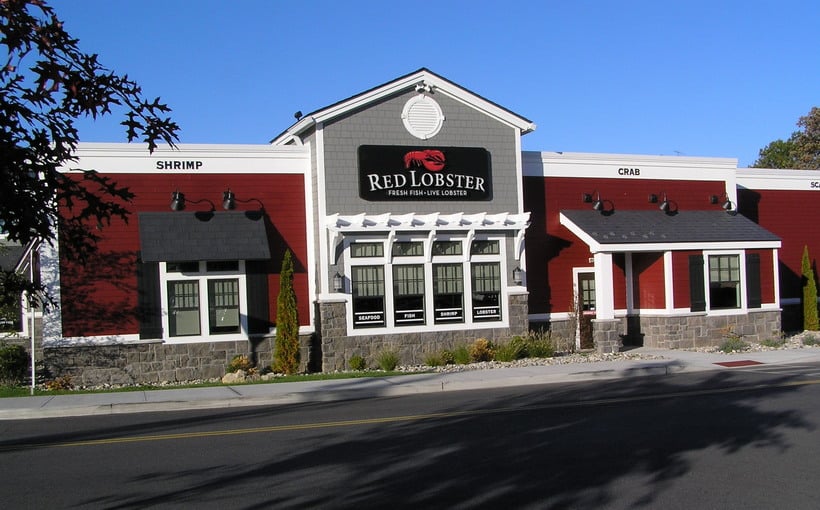
**Gaming and Hospitality Bankruptcies Cite Lingering Effects of Pandemic**
U.S. gaming, leisure, lodging, and restaurant (GLLR) issuers are continuing to feel the financial aftershocks of the COVID-19 pandemic, according to a new report from Fitch Ratings. The agency has added four new case studies to its existing database of 52 bankruptcies in these sectors.
While the pandemic remains a central factor in many filings, broader industry challenges are compounding the financial pressure. These include rising labor and food costs, changing consumer behavior, elevated interest rates, and heightened competition. Notable recent filers such as Maverick Gaming, Blink Fitness, and Hornblower Holdings LLC have cited residual pandemic-related issues as key contributors to their financial struggles.
In the restaurant sector specifically, Chapter 11 bankruptcy has become a strategic tool for companies to shed unprofitable locations and renegotiate lease agreements.
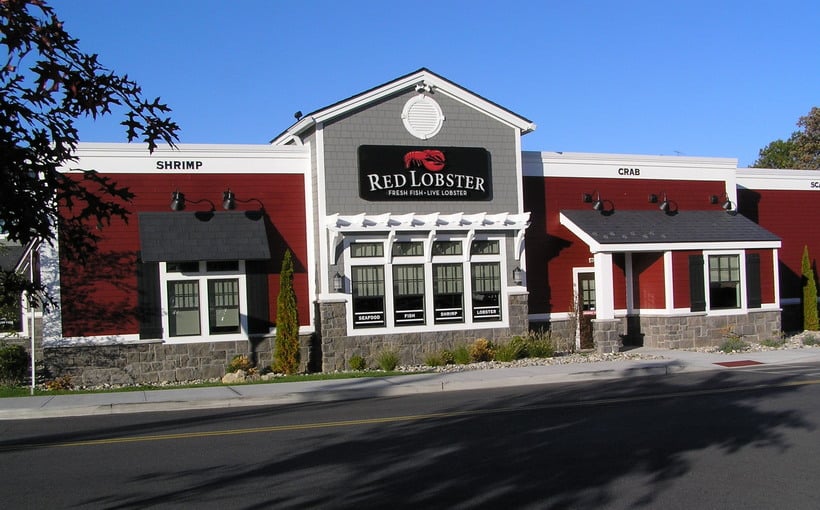
“Restaurant chains like Red Lobster and BurgerFi are shedding burdensome leases, securing economic concessions from landlords, and emerging with a smaller, more sustainable footprint,” said Joshua Clark, Director at Fitch Ratings.
Despite the pressures, default rates among issuers in the gaming, lodging, and restaurant sectors have stayed relatively low—consistently remaining below 0.5% since 2015. However, the leisure and entertainment segment has seen slightly higher default rates, currently sitting at 2.3%.
According to Clark, most affected companies have managed to continue operations after bankruptcy. “Of 56 GLLR issuers, 53 emerged as a going concern from the bankruptcy cases we analyzed,” he noted. “This includes 23 court-supervised sales of all assets or equity to third-party buyers that continued to operate the businesses.”
The data underscores both the enduring impact of the pandemic on the hospitality industry and the adaptability of many companies seeking to restructure and survive in a challenging economic environment.
“}]]
