
[[{“value”:”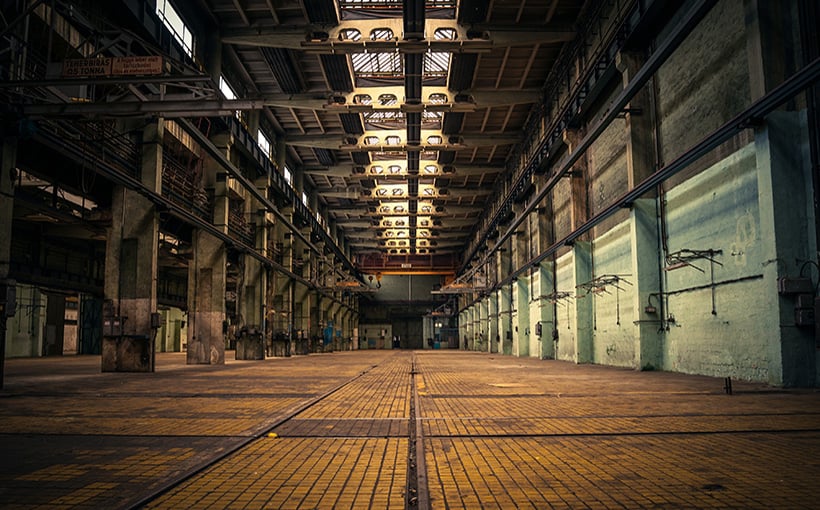
**Don’t Discount the Older Warehouses**
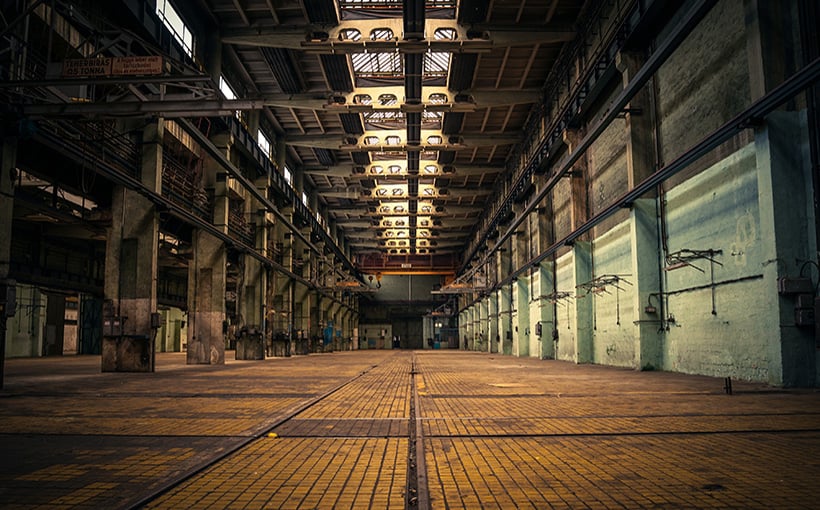
Many of today’s tenants consider older large warehouses—those over 100,000 square feet built prior to 2000—obsolete. The growing preference among occupiers for modern facilities has left many of these aging properties vacant, particularly in the post-pandemic “flight to quality.”
However, according to a recent CBRE report, these older bulk warehouses may be due for a comeback if they undergo the right renovations.
**How Much Space Are We Talking About?**
Nationwide, older warehouse inventory amounts to approximately 3 billion square feet. Of this, 8% is currently vacant. The category has also recorded a negative net absorption of 133 million square feet, signaling a loss of tenants over time.
**Opportunities for Renewal**
While the outlook might appear bleak, CBRE analysts believe that retrofitting older facilities could unlock significant opportunities. Modern upgrades can bring these properties in line with tenant expectations and spur leasing activity. Key improvements include:
**1. Outer Appearance**
Updating the building’s façade with fresh paint and modern design elements, along with enhanced landscaping, can significantly increase curb appeal.
**2. Clear Heights**
Increasing ceiling heights to the modern standard of 30 feet using hydraulic post-shores or telescoping columns is a capital-intensive but highly effective renovation that can attract larger logistics and distribution tenants.
**3. Fire Sprinkler Systems**
Replacing outdated in-rack sprinkler systems with early suppression fast response (ESFR) sprinklers improves fire safety and aligns with modern safety standards.
**4. Electrical Upgrades**
Installing new panels and updated wiring helps meet the higher energy demands of modern operations.
**5. HVAC Enhancements**
With cooling accounting for 14% and ventilation 18% of total energy use in commercial buildings, smart HVAC upgrades—such as digital sensors that monitor and adjust usage based on occupancy and conditions—can reduce energy costs and improve tenant comfort.
**6. Energy-Efficient Windows**
Windows can account for up to 40% of energy loss. Replacing them with highly insulated alternatives that include shading can enhance energy efficiency and reduce utility bills.
**7. Solar Panel Installations**
Solar panels provide a competitive edge. Currently, less than 2% of industrial buildings have them. In buildings certified by Energy Star, many tenants meet over half their power needs using solar installations.
**A Timely Opportunity**
While challenges such as higher construction costs, labor shortages, and tariffs persist, there is a crucial window of opportunity. Over the next three years, 325 million square feet of older bulk warehouse space will see lease expirations. That means a significant portion of these assets may soon be up for grabs in the leasing market.
“There will be a growing need to deploy capital for modernizing these facilities,” the report concluded, emphasizing that strategic reinvestment in this aging inventory could be key to unlocking its future potential.
“}]]
