
[[{“value”:”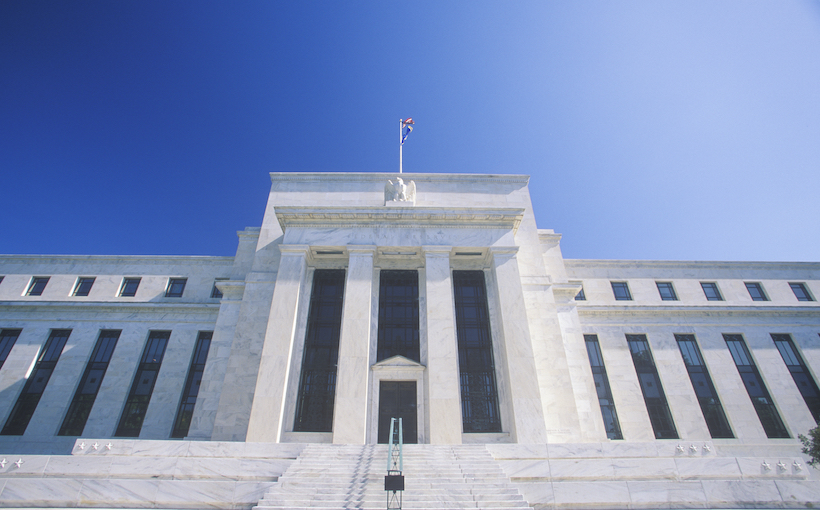
**Federal Reserve Delivers Second Straight Rate Cut, Pauses Balance Sheet Runoff**
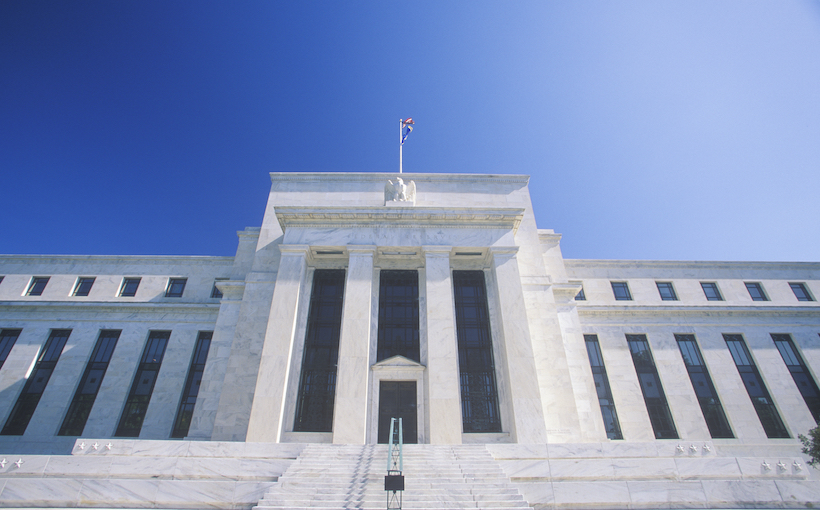
Amid a federal government shutdown that has stalled the release of key economic data, the Federal Reserve reduced interest rates by 25 basis points on Wednesday, bringing the target range down to 3.75%–4.00%. This marks the second consecutive cut following September’s rate reduction, signaling the central bank’s evolving strategy to support a slowing economy while keeping inflation in check. The move provides welcomed relief to debt and real estate markets, which are anticipating the beginning of a longer-term easing cycle.
“Even with last week’s inflation figures, today’s rate cut sends a reassuring signal that the tightening cycle is abating,” said Josh Winefsky, a partner in the real estate practice at HSF Kramer. “For debt restructuring, bridge loans, and distressed deals, it’s a favorable outcome that should create breathing room, improve refinancing options, and lower carrying costs across the market.”
Marion Jones, Principal and Executive Managing Director of U.S. Capital Markets, echoed the sentiment, saying, “The October rate cut signals to investors a greater sense of conviction in the Fed’s direction and will help fuel decision-making that has been long postponed. Debt liquidity is already outperforming 2024 levels, and with this cut—and likely future cuts—equity investors are starting to respond to a new chapter in the real estate cycle.”
Despite the dovish lean, the Federal Open Market Committee (FOMC) remains divided. Some members are growing increasingly concerned about a weakening labor market and are advocating for more aggressive easing to cushion employment. Others emphasize the risk that inflation may remain above the 2% target, urging a cautious approach.
The internal division was highlighted by two dissenting votes: Stephen I. Miran, a recent appointee to the Fed’s Board of Governors, favored a more aggressive half-point cut, consistent with his earlier stance. In contrast, Jeffrey R. Schmid, President of the Federal Reserve Bank of Kansas City, voted to keep rates unchanged at 4.00%–4.25%, citing uncertainty and the risks of moving too aggressively.
The Fed’s policy statement affirmed that the economy continues to “expand at a moderate pace,” with unemployment remaining low. However, it acknowledged increasing “downside risks to employment” in recent months, reflecting a measured tone that balances optimism with caution.
“Lower borrowing costs can help restart stalled deals, improve refinancing options, and make new acquisitions more attractive,” said Jason Wolf, Managing Principal of WCRE CORFAC International. “Still, the real catalyst will be consistency—one cut alone won’t materially shift fundamentals unless it marks the start of a more predictable easing cycle.”
In a significant development beyond interest rates, the Fed announced it will pause the runoff of its $6.6 trillion balance sheet starting December 1 due to emerging strains in short-term funding markets. While it will continue to allow mortgage-backed securities to roll off, these will be replaced with short-term Treasury bills to reduce mortgage exposure without shrinking total asset holdings.
At the post-meeting press conference, Fed Chair Jay Powell emphasized that recent market developments made clear it was time to stop the balance sheet runoff. “There is little to be gained from trying to shrink the balance sheet further,” Powell said, indicating that current reserves are adequate to support financial system stability.
Thomas Raymond, Founding Partner of Callan Family Office, likened the policy pivot to a tide turning. “A change in monetary policy is like the tide turning—broad, gradual, and far-reaching,” Raymond said. “While a 25-basis-point cut alone doesn’t dictate our positioning, we’ve long believed policy was turning dovish. The pause in balance-sheet runoff reinforces that view, and we’ve been leaning into risk—maintaining full, even slightly overweight, equity exposure in anticipation of a longer-term easing cycle.”
Global markets responded positively. “Investment activity in the U.S. continues to exceed expectations, reflecting pent-up demand from real estate investors,” said Henry Chin, CBRE’s Global Head of Research. “We’re seeing meaningful growth across commercial real estate sectors—especially office and retail—driven by rate cuts and improving fundamentals. Today’s move will further bolster investment momentum across asset classes.”
“}]]
