
[[{“value”:”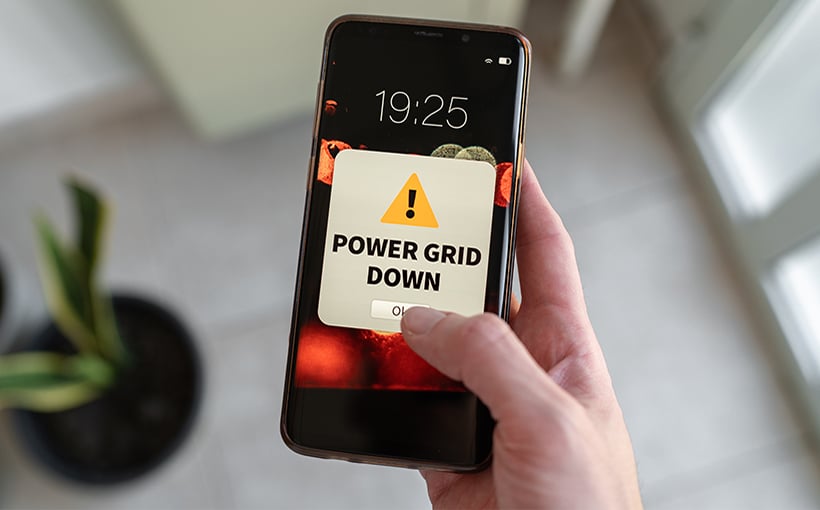
**Can the Current Energy Grid Support Increasing Data Center Demands?**
As artificial intelligence and cloud computing technologies expand rapidly, so do their demands on power and energy. While this growth drives innovation, it also exposes critical concerns about whether local and regional power grids can keep pace.
In its newly released e-book, *Power Moves*, real estate services firm JLL explores the current landscape, outlines power challenges, and proposes solutions to bridge the gap between growing demand and limited supply.
**Where We Are Now**
Demand for data centers—and the energy to operate them—is surging. According to JLL research, more than 5.3 gigawatts (GW) of data center capacity is currently under construction. That’s enough energy to power all of the households in the Chicago metropolitan area. Even more significantly, U.S. data center power demands are projected to hit 62 GW by 2028.
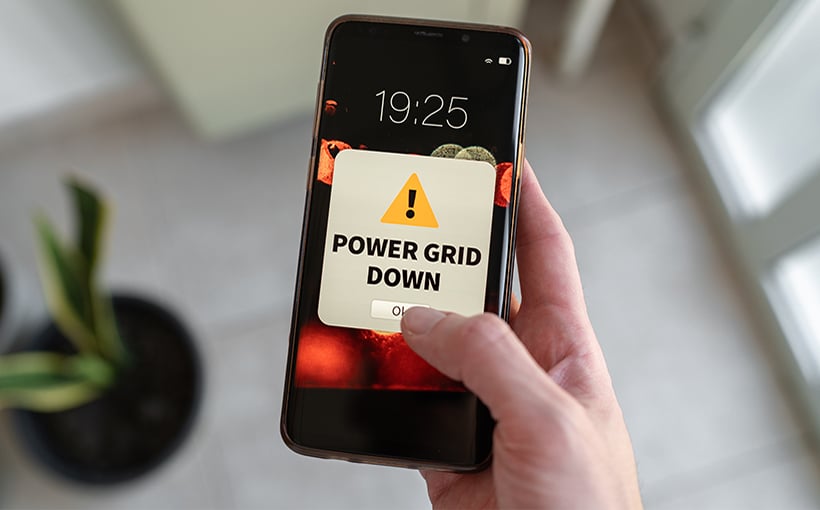
The challenge? The U.S. power grid is already stretched thin, operating near its capacity. Over the next decade, power demand is expected to remain close to the grid’s peak output limits, leaving little room for error or fluctuations in supply. Despite efforts by utility providers to increase capacity, the gap between forecasted supply and projected demand is widening.
**Potential Bridge Power Solutions**
JLL identifies several alternative energy sources that could support the power grid and help meet surging data center needs:
– **Natural Gas**: Natural gas turbines are versatile, accessible, and reliable. They can be brought online in as little as three to six months, making them a viable short-term solution.
– **Battery Storage**: Batteries can be charged during periods of low demand and deployed during peak usage. This is particularly useful for data centers, which tend to require consistent, round-the-clock power without dramatic spikes.
– **Small Modular Nuclear Reactors (SMRs)**: While not viable as a short-term solution due to high costs and lengthy approval timelines, SMRs are expected to become commercially feasible within the next five to ten years.
– **Solar and Wind Power**: These renewable sources can help bolster grid resilience and support peak load demands, aiding in the transition to cleaner energy infrastructure.
**Key Considerations for Data Center Site Selection**
As organizations plan new data center locations, power infrastructure is playing an increasingly critical role in the decision-making process. JLL’s research recommends examining the following factors:
– **Grid Reliability**: Including protections such as redundancy to ensure consistent uptime.
– **Access to Renewable Energy**: Important for both sustainability goals and long-term power availability.
– **Infrastructure Capacity**: Whether a given area’s grid can support the projected energy demands.
– **Regulatory Environment**: Understanding the local and state governmental policies that may affect access to the grid and backup systems.
With demand for data storage and computing power only continuing to grow, the question of whether the current energy grid can keep up is not only timely—it’s urgent. Solutions may lie in a combination of traditional, renewable, and emerging energy technologies, along with strategic planning for infrastructure and regulatory considerations.
“}]]
