
[[{“value”:”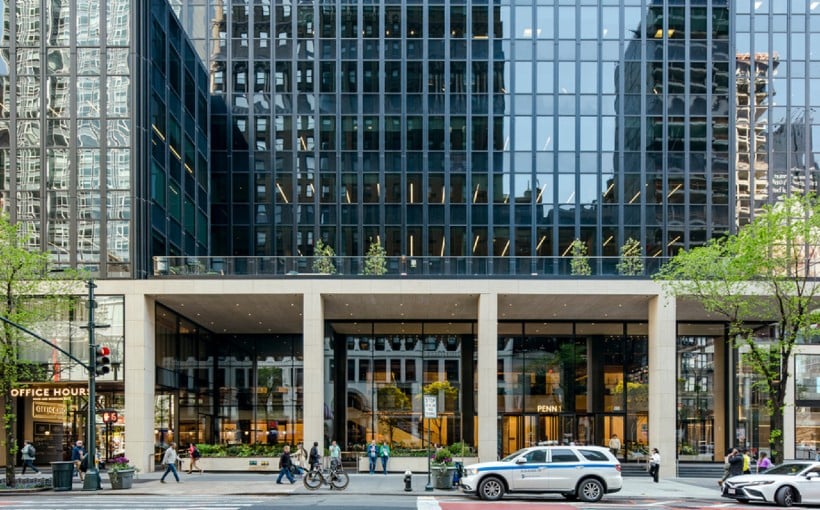
Cushman & Wakefield reports that Manhattan’s Penn Station submarket has rapidly evolved into one of New York City’s most active office destinations, supported by extensive redevelopment and superior transit access. The brokerage’s latest analysis highlights that the area is capturing a significant share of tenant movement across the borough as office users seek high-quality buildings aligned with long-term growth needs.
According to the report, nearly a quarter of all Manhattan office relocation activity in recent years has landed in the Penn Station submarket. Between 2023 and 2025 alone, more than 3500000 square feet of relocations moved into the area, with most of that demand coming from nearby Midtown submarkets. The pattern reflects a broader shift in the borough as tenants step away from older, lower-cost product in favor of upgraded, amenitized space.
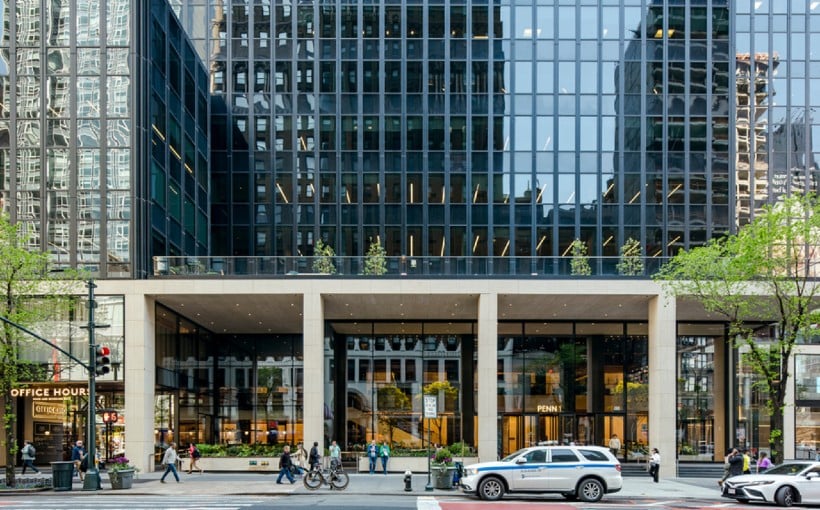
Cushman & Wakefield notes that the Penn Station district’s trajectory has been shaped by sustained investment and repositioning over the past decade. Bruce Mosler, chairman of global brokerage for the firm, said the submarket has become one of the city’s most competitive office locations following a long-running transformation effort. He pointed to major initiatives such as Vornado’s Penn District, including the PENN 1 and PENN 2 office towers, which he described as a new gateway to Manhattan’s West Side by linking directly to Hudson Yards and Manhattan West.
The report emphasizes that these projects illustrate how targeted redevelopment and transit-oriented planning can reshape a neighborhood’s role within the office market and support durable tenant demand. By tying large-scale improvements to one of the region’s most significant transportation hubs, landlords in the submarket have been able to attract occupiers that prioritize connectivity and modern building standards.
Over the last decade, 14 office buildings totaling approximately 23000000 square feet have either been developed or fully renovated within the Penn Station submarket. This activity has expanded the local inventory by 124.2%, materially increasing the concentration of newer, higher-quality product in the area. Cushman & Wakefield’s data indicates that tenant appetite has kept pace with this supply, with strong leasing volume helping to support performance metrics.
As a result, average asking rents in the Penn Station submarket now stand 37.8% above the Midtown average on a per-square-foot basis, according to the report. At the same time, vacancy in the area is 3.1 percentage points lower than Midtown’s, signaling that the upgraded stock is being absorbed despite broader headwinds in the office sector. Taken together, the findings position Penn Station as a key example of how concentrated investment and transit access can differentiate an office submarket within a competitive urban environment.
The post Penn Station Submarket Becomes Dynamic Manhattan Office Hub With Transit-Linked Upgrades appeared first on CRE Market Beat.
“}]]
