
[[{“value”:”
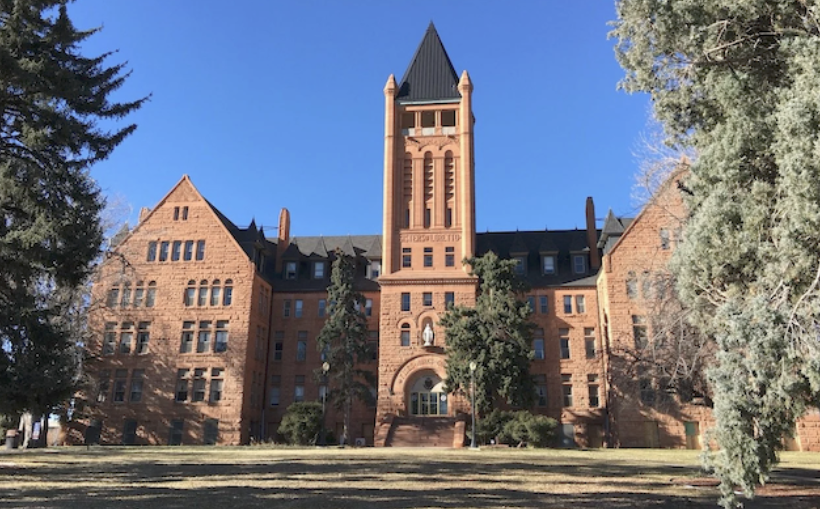
The historic Administration Building at the Loretto Heights Campus in southwest Denver is being positioned for a new chapter as rent-to-own housing. Originally established in 1891 as a school for women, the campus’ centerpiece could be converted into residential units under a plan reported by the Denver Business Journal, with a focus on creating a path to ownership for local families.
Nonprofit organization Commun is leading the effort to reposition the upper floors of the orange brick Administration Building into approximately 50 apartments. The planned units would range from one to five bedrooms, with the rent-to-own structure intended to help residents build equity over time as they move from renting toward ultimately purchasing their homes.
The group anticipates that the combined cost of renovating the Administration Building and constructing an accompanying parking garage will fall between $70 million and $100 million. While detailed financing terms have not been disclosed, the scale of the projected investment underscores the level of work required to modernize and repurpose a historic property while preserving its core character.
Beyond housing, the plan calls for activating the first two floors of the building as a hub for community-oriented uses. Commun intends to dedicate these levels to programming that includes a business incubator, reflecting a broader vision for the campus that supports both residential stability and local economic opportunity. The balance of the building would be outfitted as affordable housing, aligning the project with broader efforts to address housing access and affordability in the area.
A historic chapel that forms part of the Administration Building complex is slated to remain in service as a wedding and event venue. Keeping the chapel in its ceremonial role allows the project to retain an active community and cultural function on the campus while the rest of the building transitions to a mixed residential and community use profile.
As currently envisioned, the Loretto Heights initiative blends historic preservation with a rent-to-own multifamily model, combining housing, community programming, and event space in a single adaptive reuse. The project aims to leverage an existing landmark structure to support long-term wealth-building opportunities for families, while maintaining the site’s visibility and role as a local gathering place.
“}]]
