
[[{“value”:”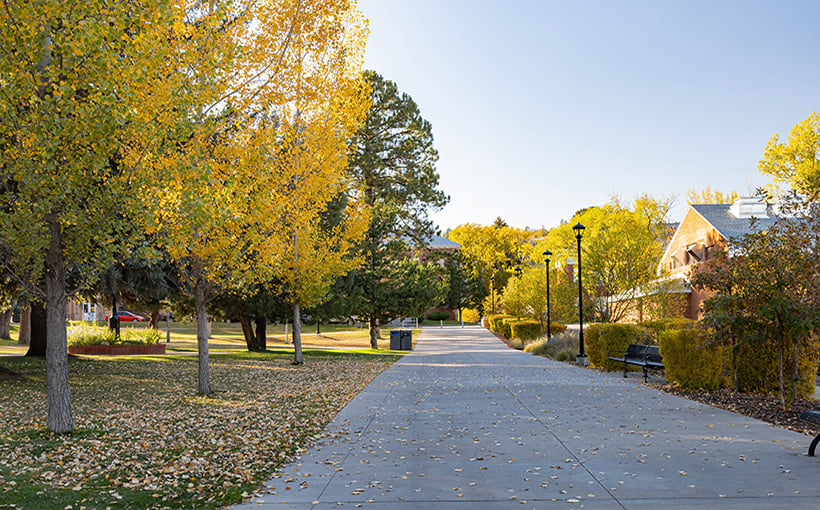
**Placemaking Goes to College: Enhancing Campus Life and Student Success**
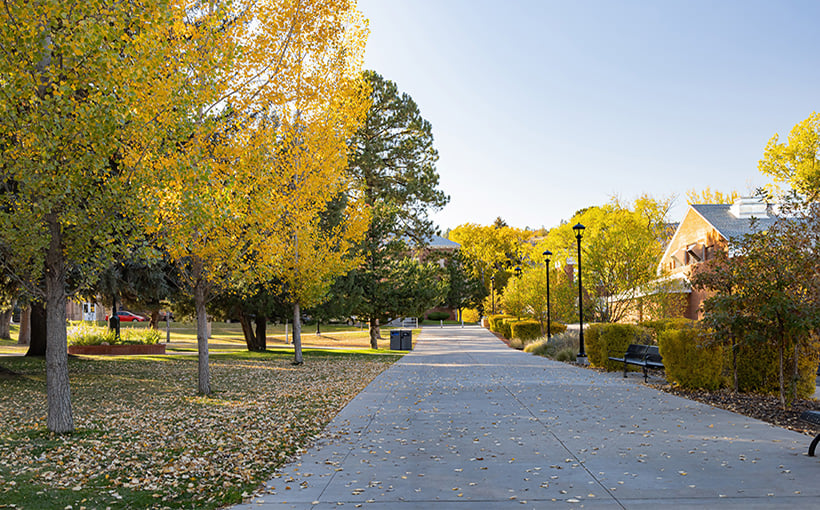
*Pictured above: Northern Arizona University*
The concept of placemaking emerged in urban planning during the mid-20th century and has since evolved into a powerful strategy for enhancing communities. Today, developers and planners alike turn to placemaking to improve quality of life, promote social interaction, and create a strong sense of belonging.
Increasingly, placemaking is being implemented at colleges and universities. David McCullough, Principal at McCullough Landscape Architects, recently shared his insights on how exterior campus design contributes to student well-being, drives enrollment, and shapes overall campus experience.
—
**Q: How does placemaking on college campuses differ from its urban counterpart?**
*David McCullough*
Typical placemaking elements—like artwork, social hubs, retail spaces, mixed-use environments, and thoughtful circulation—can be found in both urban and campus contexts. However, placemaking on college campuses must address the unique needs of students who are both temporary and residential users. During their formative years at university, students seek more than just academic knowledge. They search for identity, security, and a sense of belonging. Campus design plays a critical role in how students envision their daily lives, and these personal experiences can be just as influential as academic offerings when choosing a university.
—
**Q: What factors have led to a growing focus on placemaking in higher education?**
*David McCullough*
Technology-induced social disconnection, compounded by the isolation of the COVID-19 pandemic, has intensified the human need for connection. Placemaking supports that need by fostering opportunities for in-person interaction and by generating a vibrant, energetic atmosphere. When students feel socially and emotionally connected to their campus, their overall engagement and satisfaction improve. National data shows that over one-third of college students transfer at least once during their academic careers—a statistic that underscores just how essential belonging is to student retention.
—
**Q: How does a sense of place impact student recruitment and retention?**
*Pictured above: University of California-Riverside*
*David McCullough*
Effective placemaking makes a space feel special, but more importantly, it must feel inclusive. Whether someone is visiting for the first time or has lived on campus for years, they should feel like the space is for them. That feeling of inclusion helps students begin to imagine themselves as part of the community. We often see students gravitate toward shared spaces that feel authentic, returning to them often and building routines. This familiarity and ownership foster stronger connections, positively influencing retention.
—
**Q: How should colleges and universities approach placemaking?**
*David McCullough*
Placemaking should begin with what already exists. Successful efforts are grounded in uniqueness, history, and authenticity—trying to “start from scratch” rarely works. Campuses that embrace their surrounding communities build stronger, more vibrant environments. Shared public spaces, collaborative retail, and community programming offer mutual benefits: they enhance student life while supporting the local economy. Universities should view the city as a partner in placemaking, not just a neighbor.
—
**Q: What mistakes should be avoided in campus placemaking projects?**
*David McCullough*
One of the most common mistakes is ignoring existing infrastructure and community context. Placemaking isn’t about installing benches and art for the sake of appearance. It’s about understanding how people use spaces on a daily basis. Success lies in collaboration with specialists who are committed to local authenticity and user experience. Additionally, administrators need to recognize that placemaking is a long-term commitment—it’s not a one-and-done project or a checklist item.
—
**Q: How do you see placemaking evolving in higher education over the next decade?**
*Pictured above: Duke University Campus Gardens*
*David McCullough*
Campuses are beginning to resemble vibrant, mixed-use neighborhoods where students live, work, and engage beyond academic settings. We’re seeing a trend away from isolated, gated institutions and toward integrated communities. This evolution means weaving together physical and social spaces to create walkable environments that eliminate car dependency, support independence, and prepare students for life after college. The result is a campus experience that reflects real-world conditions—something invaluable for student development.
As placemaking becomes an integral part of campus planning, it not only enriches the student experience but also contributes to community building, retention, and long-term institutional success.
“}]]
