
[[{“value”:”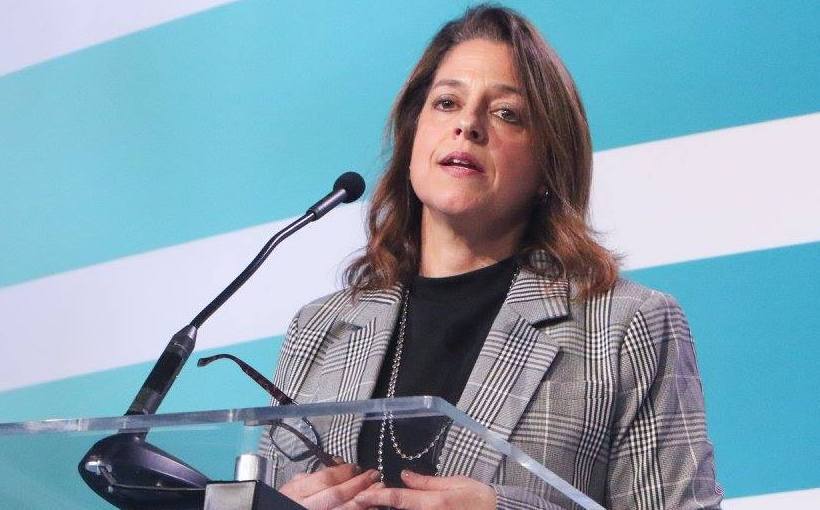
**Q&A with CREFC CEO Lisa Pendergast: Outlook for 2026**
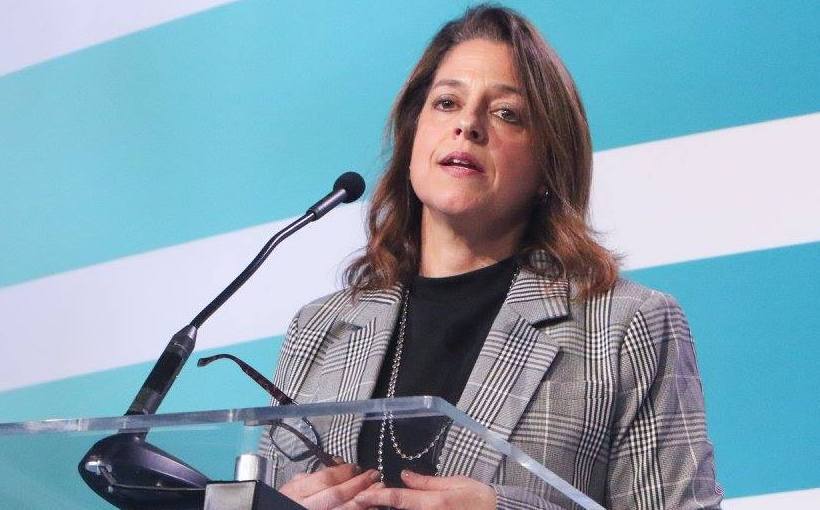
As the commercial real estate finance community prepares for its largest annual gathering, CREFC Miami 2026 — taking place from January 11–14 — more than 4,000 professionals representing over 400 companies are expected to attend. Ahead of the event, Connect CRE sat down with Lisa Pendergast, President and CEO of the CRE Finance Council (CREFC), to get her insights on what 2026 holds for the industry.
—
### Q: Heading into 2026 and the Miami 2026 conference, have the CRE finance industry’s outlook and expectations evolved compared to a year ago?
**Lisa Pendergast:** Absolutely. We now see a modestly more optimistic outlook. Expectations for lower benchmark rates and increased clarity in asset classes like office and retail are helping drive price discovery and transaction activity. The Federal Reserve’s recent easing activity has led to lower benchmark rates, which will simplify both new loan originations and refinancing in 2026 — a year when approximately $664 billion in CRE loans are set to mature. Current Fed Funds futures point to two to three potential rate cuts in the year, paving the way for improved financing conditions across the board.
—
### Q: It’s been nearly six months since the One Big Beautiful Bill Act (OBBBA) of 2025 became law. What impact has the legislation had on CRE lending and borrowing?
**Pendergast:** The OBBBA is already proving beneficial. It made several key provisions from the 2017 tax bill permanent, providing long-term certainty for investors and borrowers. Importantly, it supports affordable housing through enhancements to the Low-Income Housing Tax Credit (LIHTC) formula.
Key provisions of the legislation include:
– Making the 199A passthrough entity deduction permanent.
– Renewing the Opportunity Zones program indefinitely.
– Permanently extending bonus depreciation for qualified property, including improvements in commercial buildings.
We’re also closely monitoring the new immediate factory expensing provision. It allows full, upfront expensing for certain manufacturing buildings constructed between 2025 and 2029, which could accelerate construction timelines and economic development.
—
### Q: What are some of the new or increasingly prominent themes we can expect to see at Miami 2026?
**Pendergast:** Several themes have emerged or gained new importance:
**Housing:** A key area of focus is multifamily housing in all its forms—workforce, affordable, mixed-income, student, senior housing, and single-family rentals. Housing affordability has become a priority in Congress, the White House, and among GSEs.
**Growth of Debt Funds and CRE CLOs:** Debt funds are playing a critical role in financing transitional assets, particularly multifamily projects. CRE CLOs have become a strong funding tool in this area. Notably, $30 billion in CRE CLO issuance was recorded in 2025, the second-highest year since 2021. CREFC now provides concise reports for each CLO, offering performance updates and transparency for investors.
**Globalization of Capital:** The global capital landscape is evolving. This year’s conference explores the influence of sovereign wealth funds, emerging markets, and family offices on reshaping international investment flows.
**Asset Class Evolution and Regional Trends:** Investor interest is moving beyond primary markets to secondary cities and the Sunbelt region. There is also a growing preference for asset classes like industrial, multifamily, data centers, and other emerging sectors.
**International Investment into U.S. Real Estate:** U.S. commercial real estate retains its “safe haven” reputation. Discussions will explore how technology, ESG imperatives, demographic changes, and climate considerations are influencing international capital flows.
One of our most valuable conference components is the CREFC Forum sessions, which provide tailored insights across different market sectors. These include:
– Alternative Lenders and High Yield Investors
– B-Piece Investors
– GSE Multifamily Lenders
– Investment-Grade Bondholders
– Issuers
– Portfolio Lenders
– Servicers
Each Forum delivers a snapshot of vital trends and challenges from across the CRE finance ecosystem.
—
### Q: What are some of CREFC’s legislative and regulatory priorities going into 2026?
**Pendergast:** Our 2026 policy agenda focuses on several key areas:
– Supporting sensible deregulation, particularly around SEC reporting requirements, to enhance efficiency for market participants.
– Monitoring upcoming changes to the bank capital regime and ensuring that new rules appropriately account for CRE market dynamics.
– Lobbying for the reauthorization and extension of the Terrorism Risk Insurance Act (TRIA) ahead of its 2027 expiration. This program remains essential for enabling terrorism insurance coverage across CRE.
– Championing affordable housing. We back the expansion of programs like LIHTC and support bipartisan legislation that passed the House Financial Services Committee in December 2025. We’re also working with the New York Fed to enhance capital access for Community Development Financial Institutions (CDFIs), helping to increase multifamily investment in underserved communities.
—
As the industry navigates an evolving market and regulatory landscape, CREFC and its members are staying focused on smart policy advocacy, increased transparency, and the continued strengthening of the commercial real estate finance ecosystem.
“}]]
