
[[{“value”:”
**Multifamily Aquatics Management: More Than Pool Chemicals**
*By Phil Carter, Executive Vice President, The Amenity Collective*
When someone mentions apartment, aquatics, and amenities, swimming pools are often the first features that come to mind. Pools have long been a staple in multifamily properties, serving as both recreational hubs and key differentiators in tenant attraction. However, there is far more involved in aquatic amenities than just keeping the water blue and the surface clean.
According to Phil Carter, Executive Vice President of The Amenity Collective, aquatic facilities today go beyond pools and spas. Here, Carter shares insights on what multifamily owners and operators should consider when managing water-focused amenities.
### Expanding the Definition of Aquatic Amenities
**Q: Does “aquatic amenities” include more than pools?**
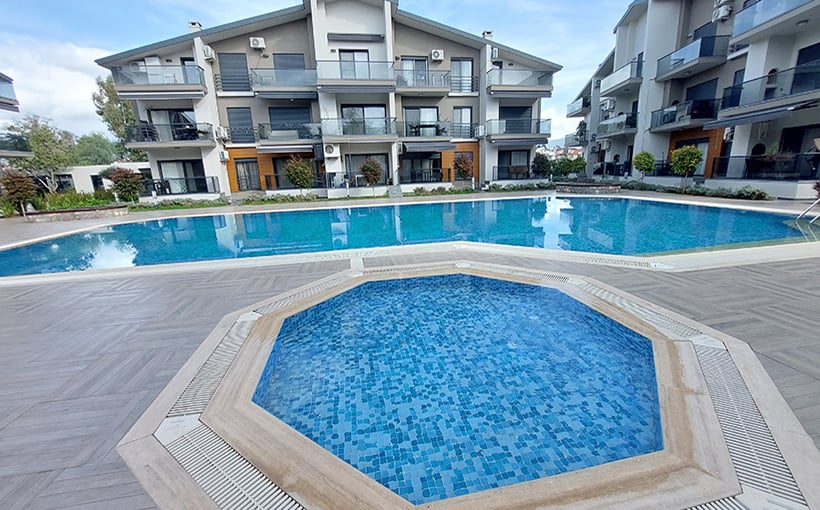
**A:** Absolutely. The category goes well beyond the typical lap pool. We define aquatic amenities as the full recreational water environment designed to engage residents. This includes traditional swimming pools and spas, as well as newer features like splash pads, play structures, lazy rivers, and decorative elements such as fountains and waterfalls. Equally important are adjacent dry environments like pool decks, sun shelves, and shaded lounge areas that enhance user experience and drive utilization.
### Operational Considerations Beyond Cleanliness
**Q: Aside from keeping things clean and sanitary, what operational issues are involved in maintaining aquatic amenities?**
**A:** Clean water is just the starting point. Successful aquatics management requires a comprehensive approach including regulatory compliance, skilled staffing, and facility maintenance.
Facility management covers care for everything from the pump house and pool equipment to landscaping, restrooms, and furniture. It also includes ensuring a safe environment through qualified personnel like lifeguards, attendants, and technicians.
Adhering to municipal health codes is crucial. These codes vary widely and most require regular inspections by Certified Pool Operators (CPOs), with check frequencies ranging from every hour to weekly, depending on local mandates.
### Managing Risk and Liability
**Q: Then there’s the liability factor.**
**A:** Liability is a significant consideration, and the risk profile depends on whether a site is guarded or unguarded. Unguarded facilities present concerns ranging from chemical imbalances to inadequate inspections. Guarded sites carry all the same risks with the additional responsibility for every person within the enclosure. Proper documentation, maintenance logs, and staff training are key to mitigating potential liability issues.
### The Outsourcing Dilemma
**Q: Can the management activities mentioned be outsourced?**
**A:** Yes, but outsourcing presents its own challenges. There is a noticeable gap in the market when it comes to vendors who can provide end-to-end pool services. As a result, the responsibility for chemical balance, maintenance, and facility upkeep is often spread across multiple entities—creating communication gaps and unreliable accountability.
**Q: Can you provide an example?**
**A:** Sure. Take a plaster warranty, which is often voided due to poor chemical management. In a fragmented vendor model, the builder may blame the plaster contractor, who in turn blames the maintenance team, who shifts it to the service provider. They all interact with the pool chemicals, but no one claims responsibility. The result? Frustration, finger-pointing, and potentially costly repairs.
### Integrated Management as a Solution
**Q: So, can integrated aquatics management help with such issues?**
**A:** Without a doubt. Integrated management streamlines responsibilities, eliminating confusion over accountability. When one entity handles inspections, chemical treatments, staffing, and maintenance, there’s no ambiguity. Holistic management enhances safety and performance, while minimizing negligence claims and service delays.
### Choosing the Right Partner
**Q: What should owner-operators examine when looking for an integrated aquatics manager?**
**A:** Start by reviewing local health code requirements to understand the baseline level of service needed. Then evaluate whether you need a full-service solution or a more tailored one. Be cautious of vendors who claim to “do it all” – this is rarely accurate.
When assessing potential partners, look for companies that deliver services in-house, not ones that outsource everything to subcontractors. Ask for proof of performance. The goal is to find a solution-driven provider—not one that participates in the blame game when things go awry.
An integrated approach ensures reliability, continuity of service, and ultimately a better aquatic experience for residents.
*This article first appeared on ApartmentBuildings.com.*
“}]]
