
[[{“value”:”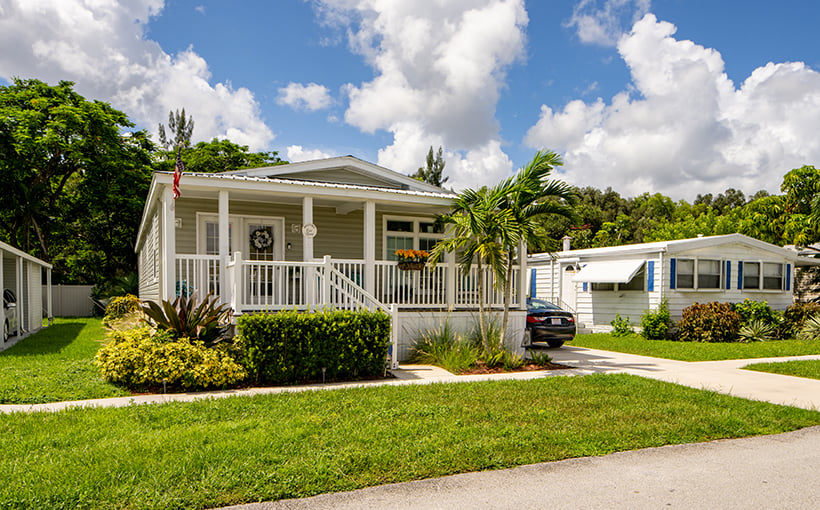
**Sunbelt Cities See Continued Growth in Manufactured Housing**
A recent report from the National Association of Realtors (NAR) reveals that the national median price for existing single-family homes reached $415,200 in October 2025, a 2.1% increase from the previous year. While mortgage rates are beginning to trend downward, the overall cost of traditional single-family homes remains high, continuing to put homeownership out of reach for many Americans.
In contrast, manufactured housing is emerging as a more affordable alternative. A new study from StorageCafe highlights the affordability of manufactured homes across the U.S., especially in states where they make up at least 10% of total housing inventory. In these ten states, the median price for manufactured homes in 2024 was well below the national average for single-family homes.
Nationwide, there are approximately 7.9 million manufactured housing units, making up about 5.4% of the total housing stock. The concentration of these homes, however, varies widely by region. Mesa, Arizona, leads the nation in overall manufactured housing inventory, while Largo, Florida, has the highest share of such homes relative to total housing. States like Hawaii, Massachusetts, and California have limited manufactured housing stock—correlating with significantly higher single-family home prices.
Manufactured homes are especially prevalent in the Sunbelt and Southeast, where factors like warm weather, flexible zoning, and available land contribute to their popularity, according to the report.
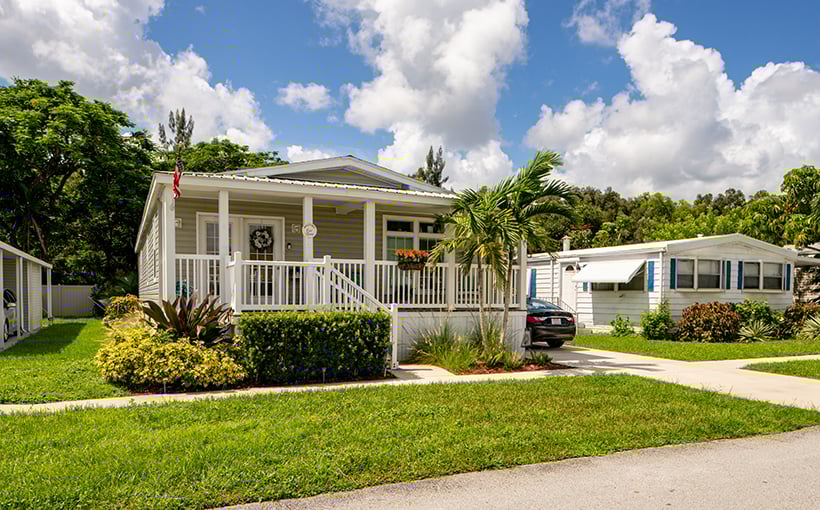
Traditionally seen as a choice for retirees or downsizers, manufactured homes are now drawing serious interest from younger generations. Millennials and Gen Z are increasingly looking to this sector for affordable and quality housing options. Today’s manufactured homes feature modern designs and layouts, significantly distancing themselves from the outdated image of mobile homes from previous decades.
Additionally, the manufactured housing lifestyle—marked by lower maintenance requirements, efficiency, and flexibility—is becoming attractive to younger homeowners. With the rise of remote work, these demographics are showing more interest in smaller, well-designed spaces within community-centric developments, often situated in scenic or suburban settings.
As housing prices continue to climb, manufactured housing is quickly becoming a viable and appealing option for a new generation of homebuyers in growing markets, particularly across Sunbelt cities.
“}]]
