
[[{“value”:”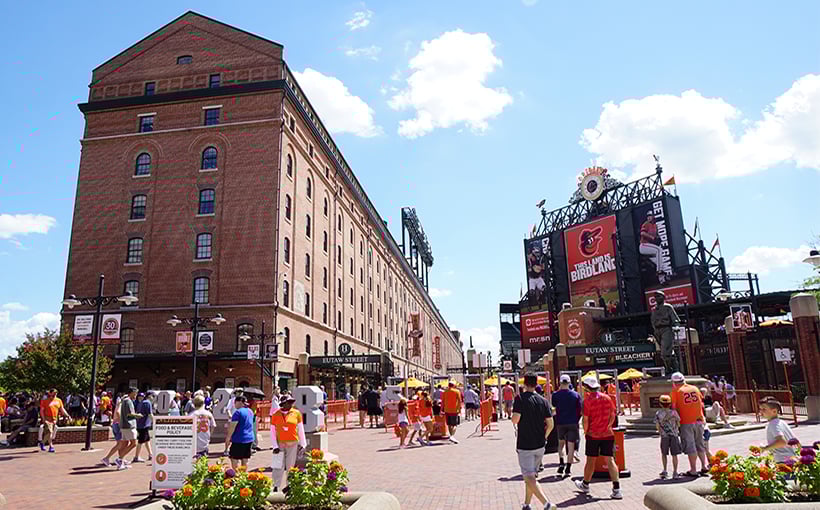
**The Evolution of Baseball Stadiums: From Suburban Isolation to Urban Integration**
In the early 20th century, many professional baseball stadiums were nestled within walkable neighborhoods, offering convenient access for local residents and easy connectivity via public transportation. Historic ballparks like Ebbets Field in Brooklyn’s Flatbush neighborhood exemplified this trend. Today, iconic stadiums such as Chicago’s Wrigley Field and Boston’s Fenway Park continue to operate in similar urban, neighborhood-embedded environments.
However, the post-World War II era ushered in a significant shift. As suburbanization took hold in the 1950s alongside a boom in freeway construction, Major League Baseball (MLB) stadiums began to relocate to more detached, expansive sites. According to a report by JLL titled “The Stadium District Boom,” this era saw the rise of “monument-style islands”—stadiums surrounded by freeways and vast parking lots, far removed from urban centers and pedestrian access.
These developments, while often architecturally impressive, offered little appeal outside of game days. Lacking surrounding attractions or integration into the community, such complexes failed to foster year-round engagement.
In recent years, however, MLB and developers have started reversing that trend. New stadium construction isn’t cramming facilities into space-constrained downtown blocks, but rather, it emphasizes integration into walkable districts that feature a blend of dining, entertainment, residential, and commercial spaces. This reimagined stadium environment seeks to create vibrant destinations that draw visitors even when no game is being played.
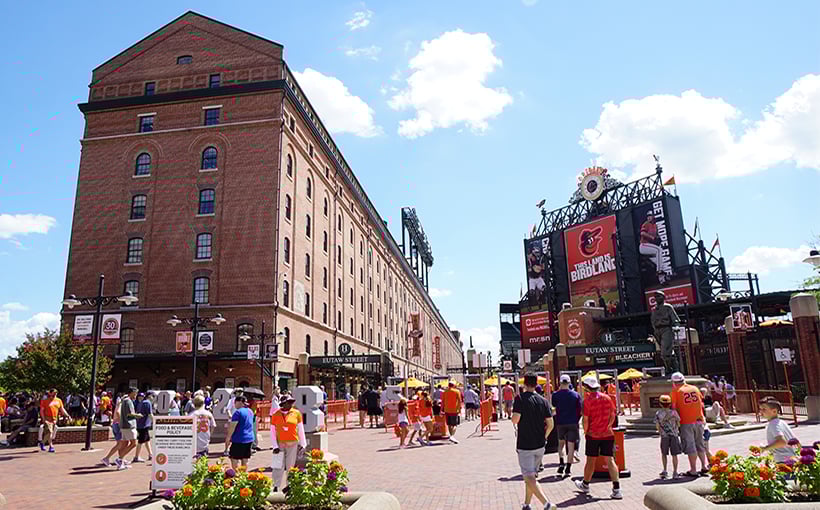
The shift began in earnest with the development of Camden Yards in Baltimore. When it opened in 1992 as the new home of the Orioles, Camden Yards was widely lauded for reintroducing the ballpark into the urban core. Its unique design and amenities marked a departure from the isolated suburban stadium model, rekindling a connection between baseball and city life.
Since then, several MLB franchises have followed suit, developing or redeveloping stadiums alongside dynamic neighborhood features. Notable examples include:
– Truist Park and The Battery (Atlanta Braves)
– Petco Park in the Gaslamp Quarter (San Diego Padres)
– Oracle Park near Mission Bay (San Francisco Giants)
– Coors Field in the LoDo District (Colorado Rockies)
According to JLL analysts, this lifestyle-focused approach has yielded measurable results. Stadiums located in vibrant, amenity-rich districts have enjoyed a 20% increase in attendance, irrespective of the team’s performance.
Yet even with such successes, challenges remain. For example, Globe Life Field, home of the Texas Rangers, is surrounded by entertainment attractions in Arlington, Texas. However, due to its largely car-dependent location and lack of a cohesive urban fabric, it falls short in offering the kind of engaging, extended experience that drives foot traffic and increases dwell times.
Looking ahead, MLB teams and cities are taking note of these evolving preferences. JLL predicts a significant wave of stadium development activity over the coming two decades — a “Stadium Arms Race.” By 2040, analysts expect that at least half of MLB franchises will announce plans to either build a new stadium or undertake major renovations to existing venues. The focus will be on creating integrated, mixed-use environments that support not just the sport, but the surrounding community experience year-round.
“}]]
