
[[{“value”:”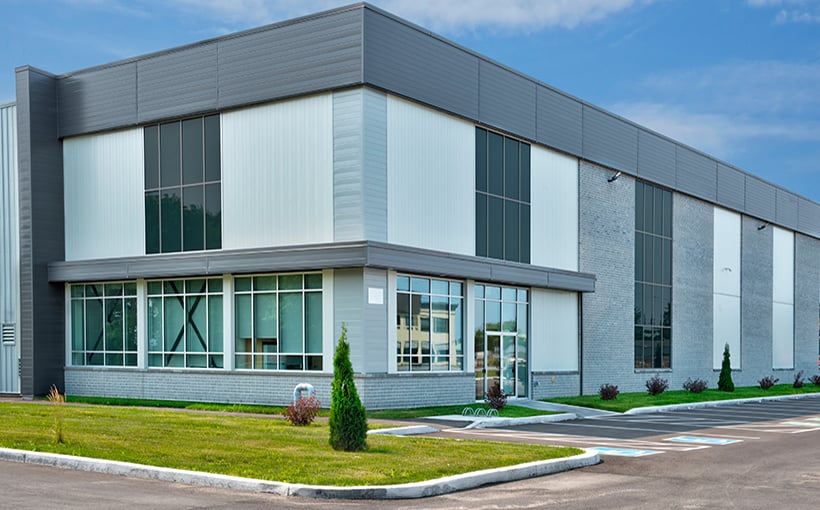
**Capital Markets and Industrial Lending: Q&A with Byline Bank’s Matt Robertson**
While industrial real estate has remained an attractive asset class for years, owners, developers, and investors continue to face significant challenges in raising capital. To gain insights into shifting trends within the sector, ConnectCRE spoke with Matt Robertson, Senior Vice President and Team Lead at Byline Bank.

*Matt Robertson*
**ConnectCRE: What trends are you seeing in the national industrial commercial real estate market, and how are they shaping deal structures and underwriting standards?**
**Matt Robertson:** The market is seeing a clear flight to quality, both in terms of sponsors and deals. All lending sources are aggressively pursuing top-tier market opportunities. Even regional banks, which traditionally leaned toward value-add or construction loans, are now targeting stabilized deals amid a highly competitive lending environment. The emergence of private credit and the recent compression in credit spreads across the board have made lending more aggressive in terms of both rates and deal structures.
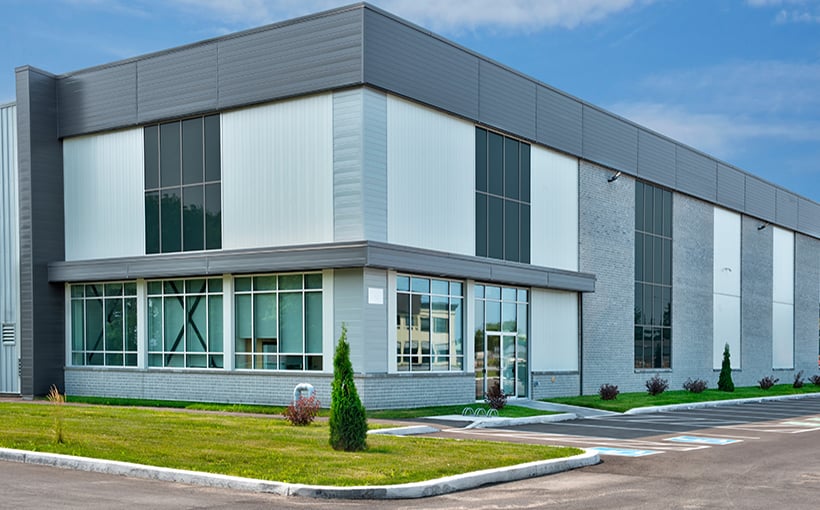
Another notable trend is the shift toward “small bay” properties—industrial buildings typically under 100,000 square feet. These are popping up in both newly developed industrial parks and in infill locations where it’s viable to replace older structures.
**ConnectCRE: Why is there a move to the smaller bay building type?**
**Matt Robertson:** Smaller bay buildings are more attractive because they require less capital and are quicker to complete, which translates to faster delivery and reduced exposure to market volatility. Given concerns about a potential recession or market slowdown, this speed-to-market advantage helps minimize risk. They also tend to have lower vacancy rates because they appeal to a broader range of potential users, making them more bankable and investable.
On the other hand, larger bulk facilities are much more expensive to build, especially in today’s high-cost construction environment. These projects often involve land assemblage and zoning changes, which introduce additional risk due to time and regulatory hurdles.
**ConnectCRE: What do you consider to be some of the most critical elements of a successful industrial deal from a lending standpoint?**
**Matt Robertson:** The experience and track record of the sponsor are paramount. Equally important are thoughtful design and flexibility—the ability for a property to function for both single and multi-tenant users. Future-proofing, such as planning for electrification, setting the right clear heights and dock configurations, and ensuring ample truck parking are all key. And of course, location remains fundamental. In this market cycle, lenders are gravitating toward “no-brainer” locations—those with clear barriers to entry and stable, long-term demand.
**ConnectCRE: How have interest rate volatility and inflationary pressures changed the kinds of industrial deals your team is seeing, especially in the middle market?**
**Matt Robertson:** Higher interest rates and inflation haven’t drastically altered the types of deals we’re seeing, but they are affecting capital structures. Specifically, there’s a greater need for equity in the deal to protect the lender’s position. The increased costs necessitate a stronger capital stack, especially in the current high-rate environment.
**ConnectCRE: Have you noticed any other trend that’s worth keeping an eye on?**
**Matt Robertson:** Yes, user sales have become more popular. More companies are opting to purchase their own facilities to avoid rising rents and maintain control of their real estate instead of leasing from landlords. Another emerging segment is industrial outdoor storage (IOS). This asset type is being increasingly institutionalized after historically being fragmented and owner-operated. At Byline Bank, we’ve done between $150 million and $200 million in IOS transactions over the past 18 to 24 months. It’s definitely a space to watch closely.
—
This Q&A originally appeared in ConnectCRE’s exclusive feature with Matt Robertson of Byline Bank.
“}]]
